
Location: Redoubt Fort, Harwich, Essex
Property Type: Historic Fort
Survey Type: Asbestos Management Survey (CAR 2012 Compliance)
Survey Date: 16/07/2026

Asbestos Survey Completed in Harwich
Our surveying team recently completed an asbestos management survey at the historic Redoubt Fort in Harwich, Essex. As one of the town’s most recognisable heritage landmarks, the fort presents a unique environment where preserving historic features must be carefully balanced with ensuring the safety of staff, contractors and visitors. The purpose of the survey was to identify the presence of any accessible asbestos containing materials (ACMs), assess their condition and provide practical management recommendations in accordance with current asbestos legislation.
Redoubt Fort has a fascinating military history dating back to the early 1800s and has undergone numerous alterations throughout its lifetime. Buildings of this age often contain a variety of original construction materials and historic artefacts that may incorporate asbestos, particularly where repairs, maintenance or military equipment have been introduced during the twentieth century. Carrying out an asbestos management survey within a listed or historically significant property requires an experienced approach to avoid unnecessary disturbance while gathering sufficient information to produce a comprehensive asbestos register.
A Thorough Property Inspection
Before commencing the inspection, our surveyor reviewed all accessible areas of the fort and agreed the scope of the survey with the duty holder. As this was a management survey rather than a refurbishment or demolition survey, the inspection was non-intrusive and focused on materials that could be accessed without causing damage to the historic structure or exhibits. Particular care was taken throughout the inspection to ensure the fabric of the building remained undisturbed.
During the survey, several historic materials and artefacts were identified that were considered likely to contain asbestos. Due to the heritage status of the items and the requirement to avoid damaging original exhibits, no intrusive sampling was undertaken. Instead, the materials were recorded and presumed to contain asbestos in accordance with HSG264 guidance, allowing the client to safely manage any potential risk without affecting the integrity of the historic collection.
Items presumed to contain asbestos included a number of vintage Bakelite electrical components, original gaskets associated with historic mechanical equipment and several old military gas masks displayed within the fort. Many military gas masks manufactured during the mid-twentieth century incorporated asbestos within their filtration systems due to its heat-resistant and filtration properties. Although these items remain valuable historical artefacts, they require appropriate management to ensure they are not handled or disturbed unnecessarily.
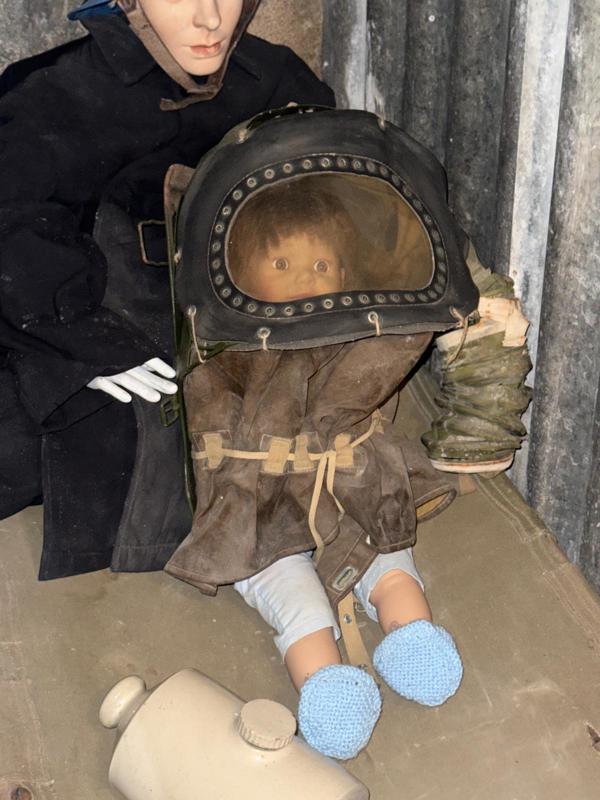
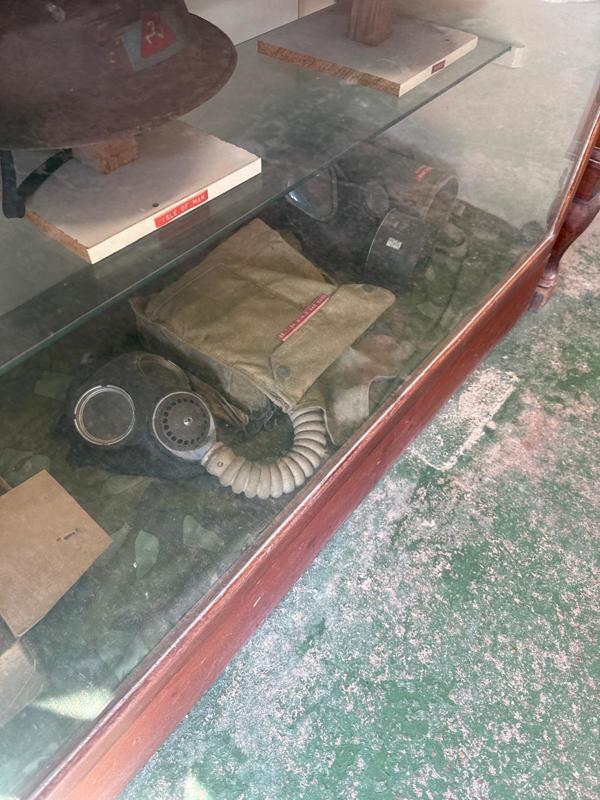

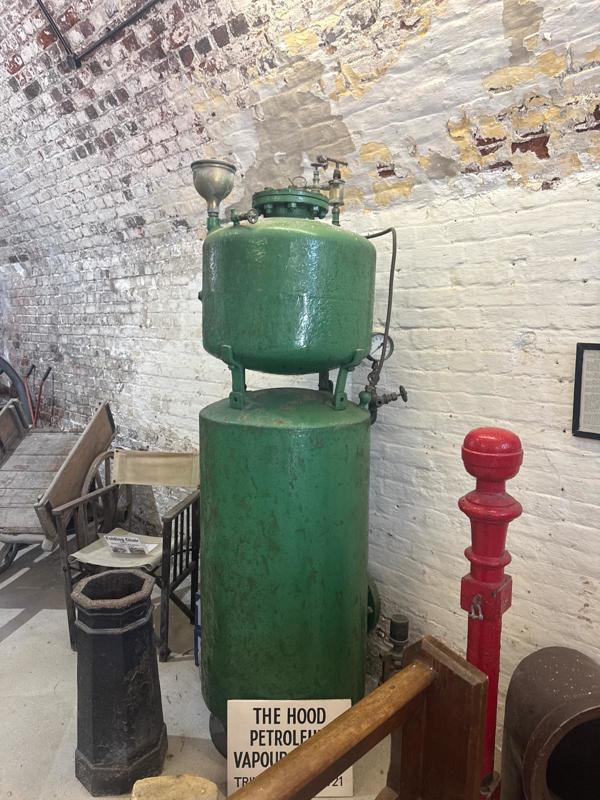
Similarly, historic gaskets found within older mechanical plant and equipment have commonly been manufactured using asbestos fibres to provide heat resistance and sealing performance. While these materials often remain stable when left undisturbed, deterioration through age or unnecessary maintenance can increase the potential for fibre release. Recording these items within the asbestos register ensures they can be monitored as part of the site’s ongoing management plan.
Several original Bakelite products were also identified throughout the property. Although Bakelite itself does not always contain asbestos, many historic electrical products manufactured using Bakelite incorporated asbestos as an insulating material or backing board. Where the composition could not be confirmed without damaging the item, a presumption of asbestos was made in accordance with industry best practice. This cautious approach enables the client to manage potential risks effectively without compromising valuable heritage assets.
Following completion of the inspection, a detailed asbestos management report was prepared, documenting all presumed asbestos containing materials, their locations, condition and accessibility. Each item received a material assessment score together with practical recommendations for ongoing inspection, monitoring and management. Photographic records and location plans were included to assist future maintenance contractors and site managers.
Because the presumed asbestos containing materials were generally in stable condition and formed part of the fort’s historic displays, immediate removal was neither necessary nor appropriate. Instead, recommendations focused on maintaining the materials in good condition, restricting unnecessary handling, ensuring contractors are informed before carrying out any maintenance work and reviewing the asbestos register at regular intervals.
Historic sites such as Redoubt Fort demonstrate why asbestos management surveys remain an essential part of responsible property management. Heritage buildings frequently contain materials that cannot simply be removed due to their historical significance. In these situations, careful identification, risk assessment and ongoing management provide the safest and most practical solution while protecting the character of the building.
Our experienced asbestos surveyors regularly undertake management surveys throughout Harwich, Dovercourt and across Essex, working on everything from listed buildings and museums to commercial premises, schools, industrial sites and residential properties. Every survey is carried out in accordance with the Control of Asbestos Regulations 2012 and HSG264, ensuring clients receive accurate information and practical advice tailored to their building.
Need an Asbestos Survey in Harwich?
If you require an asbestos management survey in Harwich, Essex, or anywhere across the county, our qualified surveyors can provide professional, independent asbestos inspections with clear reporting, fast turnaround times and expert guidance. Whether your property is a historic landmark, commercial building or domestic home, we can help you meet your legal responsibilities while protecting everyone who uses the building.