
Location: Redbridge, East London
Property Type: Two-Storey Office Block
Survey Type: Asbestos Management Survey (CAR 2012 Compliance)
Survey Date: 06/11/2026
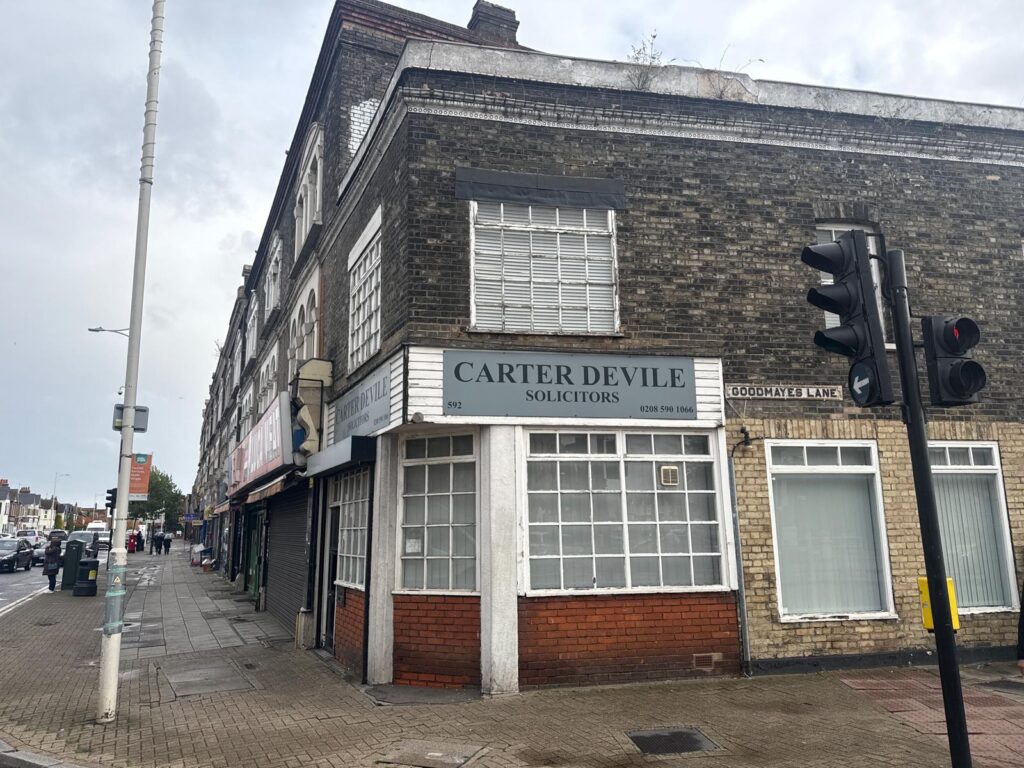
Asbestos Surveys Essex carried out an asbestos management survey at a two-storey office block in Redbridge, East London. The project focused on the building as a workplace, where asbestos information needs to be useful to the people responsible for keeping the premises running. For an office block, that can mean answering a question from an electrician about a cable route one week and checking which part of the building a flooring contractor intends to work on the next. Both questions depend on being able to match the proposed work to the correct floor, room and material.
Why survey a two-storey office as one building?
In a two-storey office, the spaces people use every day are only part of the picture. A maintenance task that starts in an upstairs office may involve services that also run through a landing, a stair enclosure or a ground-floor cupboard. Where rooms on different floors have similar names or layouts, a reference to “the rear office” can easily be misread. Giving each location a clear floor and room reference helps the person reading the survey information work out whether it applies to the area they are dealing with.
That distinction matters in Redbridge, where clients may be managing anything from a small office conversion to a purpose-built commercial property. This project involved a two-storey office block, and the practical issue was how to make asbestos information easy to use across both levels. A floor-by-floor approach gives the building manager a way to discuss a particular location with a contractor without relying on informal directions or the name of the team that currently uses the room.
Ground-floor circulation and first-floor offices
Different parts of an office building experience different patterns of use. Ground-floor circulation areas might see deliveries, cleaning and regular movement between rooms. In an upstairs office, foreseeable disturbance might instead come from moving a partition, changing a light fitting or adding a data point. These are examples of how use and maintenance can vary within one property. They help explain why the location and condition of a material matter alongside what it is made from.
A management survey is designed around normal occupation and foreseeable maintenance. Within an agreed scope, relevant areas can include rooms used by staff, corridors, stairs and accessible service locations. The layout also prompts questions about how spaces connect. For example, a contractor tracing a service from the first floor may need information about a different area on the ground floor. Reviewing the proposed route in advance helps the building manager identify which parts of the survey information are relevant. HSE guidance on asbestos surveys
Looking at materials in the context of office upkeep
Commercial offices often change in stages. A room can be redecorated, have new flooring fitted and gain extra sockets over the course of several separate maintenance visits. Where an older finish remains below or behind a later one, the visible surface may tell only part of the story. Building history and the practical limits of access therefore matter when deciding what can be assessed within a management survey.
Typical examples of materials a surveyor might consider in an office include older floor finishes, textured coatings and board products associated with service enclosures. Their relevance depends on the individual building and the agreed scope. Where a suspect material requires identification, sampling and laboratory analysis can help establish what it contains. If access is restricted, the report should make the limitation clear so the person planning future work can take it into account. The materials above are examples of what can be encountered in commercial offices. HSE guidance on asbestos surveys
Turning survey information into something contractors can use
The value of a management survey becomes clear when someone needs to make a decision about a specific job. Imagine a contractor has been asked to replace a light fitting in a first-floor office. Before work starts, the building manager needs to be able to locate the relevant room, check what the survey covers and identify any material or access limitation that could affect the work. If the job also involves running a cable through another part of the building, the route needs to be considered as well as the room where the fitting is located.
Survey information can be used to compile or update an asbestos register. Where asbestos-containing materials are identified or presumed, the register records their locations and condition. It helps the person responsible for the premises plan follow-up actions and pass relevant information to people who may disturb the materials. Over time, changes such as alterations to a room, removal of a material or deterioration in its condition can affect what needs to be recorded and reviewed. HSE guidance on asbestos registers and risk assessment
When plans for the office change
A survey commissioned for managing an office in everyday use has a different scope from one commissioned for an intrusive fit-out. If a Redbridge office is being reconfigured and the work will open up walls, remove ceilings or disturb concealed building materials, the proposed work area may require a refurbishment survey before the project starts. Knowing the location and extent of the work early helps define what the further inspection needs to cover. HSE guidance on asbestos surveys
Commercial asbestos management surveys in Redbridge
This two-storey office project illustrates why commercial survey information needs to follow the way a building is used and maintained. For the building manager, a clear location reference can make the difference between finding the right information before a job and having to stop while the scope is checked. It also makes conversations about maintenance easier when contractors, tenants and property managers use different names for the same spaces.
Arrange an Asbestos Survey for an property in Redbridge, East London!
If you manage an office block or commercial property in Redbridge or elsewhere in East London, contact Asbestos Surveys Essex to discuss an asbestos management survey. When requesting a quote, include the property address, the number of floors and any available plans or previous asbestos reports. If you already have a programme of works in mind, tell us which parts of the building it will affect so we can discuss the appropriate survey scope.