Asbestos Management Survey | GP Surgery, Shoeburyness, Essex
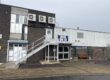
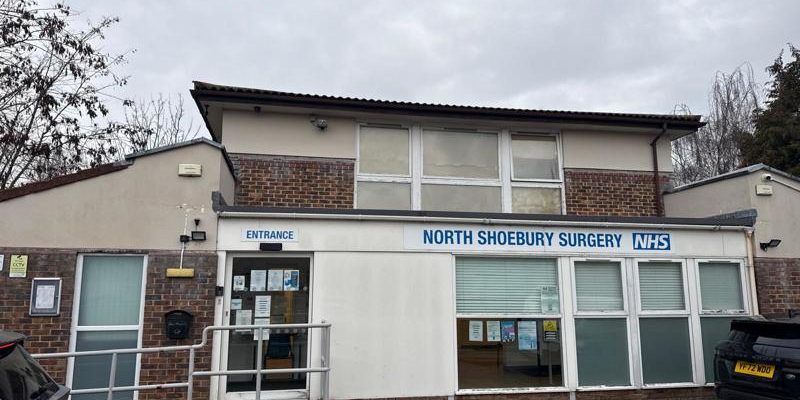
We were appointed to undertake a comprehensive asbestos management survey at a GP surgery located in Shoeburyness, Essex. The property is a purpose-built medical practice constructed in the late 1970s — a time when asbestos-containing materials (ACMs) were widely specified in commercial, public sector, and healthcare buildings throughout the United Kingdom.
As the surgery operates five days a week and serves a high volume of patients, the practice management team required a detailed asbestos management survey to ensure full compliance with the Control of Asbestos Regulations 2012. Beyond regulatory compliance, the priority was to safeguard patients, clinical staff, visiting contractors, and maintenance personnel from the risk of accidental asbestos disturbance.
The key objectives of the survey were to:
-
Identify and confirm the presence of any asbestos-containing materials
-
Assess the condition and risk level of identified ACMs
-
Update and formalise the asbestos register
-
Provide clear, practical guidance for ongoing safe management
Building Background & Scope of Inspection
Healthcare buildings constructed in the 1960s–1980s frequently incorporated asbestos for fire protection, insulation, acoustic control, and durability. Given the age and construction type of this GP surgery, several materials were considered potentially asbestos-containing prior to intrusive sampling.
Our management survey covered all reasonably accessible areas of the premises, including:
-
Consultation and treatment rooms
-
Patient waiting areas
-
Administrative and reception offices
-
Corridors and internal circulation routes
-
Storage cupboards and ancillary spaces
-
Boiler room and plant areas
-
Accessible ceiling voids
-
Electrical intake and service risers
-
External soffits and rainwater goods
Particular attention was given to plant areas and service risers, as these locations historically present a higher likelihood of asbestos insulating materials.
Survey Methodology
Due to the sensitive nature of the healthcare environment, the survey was carefully planned around surgery hours to minimise disruption. High-traffic areas were inspected outside peak appointment times, and all works were conducted discreetly and in line with infection control considerations.
Sampling of suspected materials was undertaken in accordance with guidance issued by the Health and Safety Executive (HSE). Controlled techniques were used to prevent fibre release, and all sampling points were made good following inspection.
Bulk samples were submitted to a United Kingdom Accreditation Service (UKAS) accredited laboratory for analysis using polarised light microscopy (PLM).
Laboratory Findings
Laboratory analysis confirmed the presence of the following asbestos-containing materials:
-
Chrysotile-containing vinyl floor tiles located within back-office administrative areas
-
Asbestos Insulating Board (AIB) panels identified within a vertical service riser
-
Asbestos cement soffit panels to external elevations
-
Textured decorative coating containing trace chrysotile within a staff-only area
Each identified ACM was assessed for both material risk (condition, surface treatment, friability) and priority risk (location, occupancy level, likelihood of disturbance).
Condition Assessment
Encouragingly, the majority of materials were found to be:
-
In good or fair condition
-
Intact and well-sealed
-
Located in low-access or staff-only areas
-
Unlikely to be disturbed during normal day-to-day occupation
As a result, the overall risk profile of the building was considered low, provided appropriate management procedures are maintained.
Recommendations & Management Strategy
Upon completion of the survey, we provided the practice with a comprehensive asbestos management package, including:
-
A fully updated asbestos register
-
Material and priority risk assessments
-
Annotated floor plans identifying ACM locations
-
Photographic records
-
Clear labelling recommendations where appropriate
-
A structured, site-specific asbestos management plan
As this was an asbestos management survey — rather than a refurbishment or demolition survey — immediate removal of the identified ACMs was not required. In many cases, removal can create unnecessary cost and disruption where materials remain stable and undisturbed.
Instead, our recommendations focused on controlled management, including:
-
Annual re-inspection of all identified ACMs
-
Implementation of strict contractor control procedures
-
Mandatory review of the asbestos register prior to any intrusive works
-
Clear communication protocols for maintenance staff
-
Retention of all documentation on site for compliance audits
The AIB panels located within the service riser were highlighted as a higher priority ACM due to their asbestos content and material type. Although currently in good condition, we advised careful monitoring and consideration of licensed removal should future refurbishment works impact that area.
Project Outcome
By commissioning a professional asbestos management survey, the GP surgery in Shoeburyness demonstrated proactive compliance and a strong duty of care under Regulation 4 (Duty to Manage) of the Control of Asbestos Regulations 2012.
The practice now benefits from:
-
A fully compliant and up-to-date asbestos register
-
Clear, accessible documentation for contractors and staff
-
Reduced risk of accidental fibre release
-
Structured procedures for ongoing management
-
Continued operational continuity without unnecessary removal works
Importantly, the survey provides reassurance to patients and staff that asbestos risks are being responsibly controlled within the building.
The Importance of Asbestos Management in Healthcare Settings
Healthcare premises present unique challenges for asbestos management. Occupants may include vulnerable individuals, elderly patients, and those with respiratory conditions. Additionally, GP surgeries often experience frequent minor maintenance works, IT upgrades, and service alterations — all of which increase the risk of inadvertent disturbance if asbestos is not properly identified and recorded.
Early identification and structured management planning ensure that risks remain controlled, compliance is maintained, and day-to-day medical services can continue safely.
Through careful surveying, clear reporting, and practical recommendations, this project supports both regulatory compliance and long-term risk reduction within an operational healthcare environment in Essex.
Need an Asbestos Survey for Your GP Surgery or Medical Premises?
If you manage a GP surgery, dental practice, clinic, or healthcare facility across Essex, arranging a professional asbestos management survey is essential.
We provide asbestos management surveys, refurbishment surveys, and asbestos testing tailored to live healthcare environments with minimal disruption.
📞 Contact Asbestos Surveys Essex today to arrange your survey and ensure your property remains safe, compliant, and fully protected.