Common Places Asbestos Is Found in Essex Homes
If you live in Essex and your property was built before the year 2000, asbestos may be present somewhere in the fabric of your home — often in areas most homeowners never think to check. Because Essex has a high proportion of mid-century and late-century housing (1930s semis, 1950s council houses, 1970s estates, and 80s–90s refurbishments), asbestos-containing materials (ACMs) are still commonly found today during surveys and renovations.
This guide provides a detailed breakdown of the most frequent places asbestos is discovered, along with examples, visual cues, and typical risk levels. Understanding where asbestos might be hiding helps you avoid disturbing it and ensures any renovation work can be carried out safely.
🏠 Why Asbestos Is So Common in Essex Properties
Before we get into the exact locations, here’s why it shows up so often:
-
Essex experienced major post-war building booms, especially in the 1950s–70s.
-
Builders relied heavily on asbestos because it was cheap, strong, fire-resistant, and used in hundreds of building products.
-
DIY refurbishments in the 80s and 90s often used materials that still contained asbestos.
-
Many homes have never had a full intrusive survey, so hidden asbestos remains undiscovered until renovations begin.
In short: asbestos is widespread not because homes are unsafe, but because it was used everywhere before its ban in 1999.
Artex & Textured Ceilings/Walls (One of the Most Common Sources in Essex)
Artex ceilings were incredibly popular in Essex homes in the 1970s–90s. Many homeowners don’t realise these textured coatings can contain chrysotile (white asbestos).
Where it’s usually found:
-
Bedroom ceilings
-
Hallways and landing ceilings
-
Lounge ceilings
-
Kitchen walls or ceilings
-
Bathroom ceilings (especially older vented areas)
Typical signs:
-
Swirled, stippled, or patterned texture
-
“Popcorn” effect in some 70s properties
-
Often painted many times over
Why it matters:
Artex is a low-risk ACM if left undisturbed, but drilling, scraping, sanding or plastering over it can release fibres.
Garage & Shed Roofs (Extremely Common in Essex)
Corrugated asbestos-cement roofing was widely used in Essex throughout the 60s–90s. If you have a garage or outbuilding built before 2000, there’s a high chance the roof contains asbestos.
Where it’s found:
-
Standalone prefab concrete garages
-
Garden sheds
-
Workshops
-
Lean-to and carport roofing
-
Farm outbuildings and older rural properties
Appearance:
-
Grey, corrugated, cement-like sheets
-
Sometimes covered in moss or lichen
-
Often looks weathered, flaky, or brittle
Risk level:
Low to medium risk unless cut, broken, or drilled.
These roofs are one of the most commonly sampled materials in Essex asbestos surveys.
Soffits, Fascias & Guttering (Often Overlooked)
Many 1960s–1980s homes in Essex still have original soffits made from asbestos cement board.
Where it appears:
-
Under roofline
-
Around porch canopies
-
Above bay windows
-
Along eaves
What it looks like:
-
Flat off-white or grey board
-
May have been painted
-
Does not rot (another giveaway)
Risk:
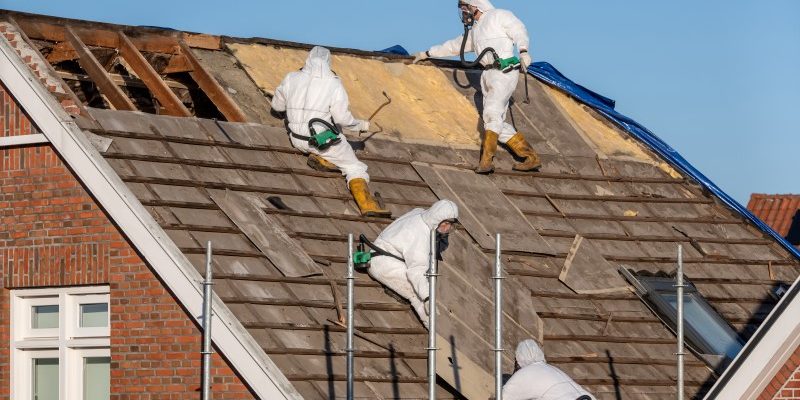
Low if intact, but high risk when soffits are removed during roofing work — making surveys essential before reroofing.
Floor Tiles & Bitumen Adhesive
Asbestos was commonly added to vinyl tiles and the adhesive used to stick them down.
Typical locations:
-
Kitchens (especially older tiled areas under new flooring)
-
Hallways
-
Bathrooms
-
Utility rooms
-
Older council homes
Signs:
-
Brown, black, or marbled tiles
-
Often 9” x 9” in size
-
Black tar-like adhesive underneath
Risk:
Low if undamaged, but lifting old flooring during renovations often disturbs them.
Many Essex homeowners find asbestos tiles unexpectedly when removing carpets or laminate.
Pipe Lagging, Insulation & Boilers (High Risk in Older Properties)
This is one of the highest-risk asbestos materials found in homes.
Common places:
-
Loft spaces
-
Behind old boxing
-
Around pipes in airing cupboards
-
Around older hot water tanks
-
Under stairs in older council homes
What it looks like:
-
White, fibrous, fluffy material
-
Hard, crumbly plaster-like coating
-
Sometimes wrapped in hessian or cloth
Risk:
High. This type of asbestos is very friable and should never be touched.
How to Know For Sure if Asbestos Is Present
Visual identification is unreliable — the only accurate method is laboratory testing.
You have two options:
1. Bulk Sampling
A small sample is taken from the suspect material and tested.
2. Full Asbestos Survey
A surveyor inspects the entire property, takes samples, photographs locations, and assesses risk.
A professional survey is recommended if you:
-
Are buying or selling a home
-
Plan renovations
-
Manage rental properties
-
Own a property with unknown materials
-
Are concerned about safety
Asbestos is incredibly common in Essex homes — not because properties are unsafe, but because the material was widely used for decades. Knowing the typical locations helps you avoid accidental disturbance and ensures any renovation work can be carried out safely and legally.
If your home was built before 2000, and especially if you’re planning DIY or building work, an asbestos survey is the safest first step. For fast, affordable asbestos surveys anywhere in Essex, get in touch today